When I was writing this piece, Ljubi se istok i zapad was playing in my earpiece, and memories from just a week earlier came back vividly. It felt like a fitting song. The title translates roughly from Serbo-Croatian to “East and West are kissing,” a famous line from the 1991 hit by the Bosnian pop-rock band Plavi Orkestar. At the time, it captured a wish for reconciliation: geographical opposites meeting, the Balkans leaving the past behind, and a new future beginning.
I kept wondering what happened after that wish. Thirty-plus years later, did East and West really reconcile in the Balkans, or did they simply return under different flags, different capital providers, and different infrastructure contracts?
So on a random Thursday night, while grinding through books in the library, I booked a trip to find out myself. Departure was 36 hours away.
The reason this writing begins as a field note rather than a screen-based macro piece is that the Balkans’ capital structure feels unusually physical. In developed markets, foreign influence often appears first in bond spreads, trade statistics, ownership filings, regulatory documents, or earnings calls. In the Balkans, it appears as bridges, highways, rail corridors, refinery ownership, half-finished real estate, mining projects, billboards, protest routes, and construction sites. You can read about China’s influence, EU accession, Russian energy ties, or Gulf-funded real estate from a desk, but the region only really makes sense when those abstractions become roads you drive on, borders you cannot cross, and conversations with locals who casually reveal political assumptions that no dataset can fully capture.
I had only seven days to spare, so the itinerary had to be both broad and tight. Without a fully built-out plan, I roughly decided on Serbia, Kosovo, Bosnia, and Montenegro.
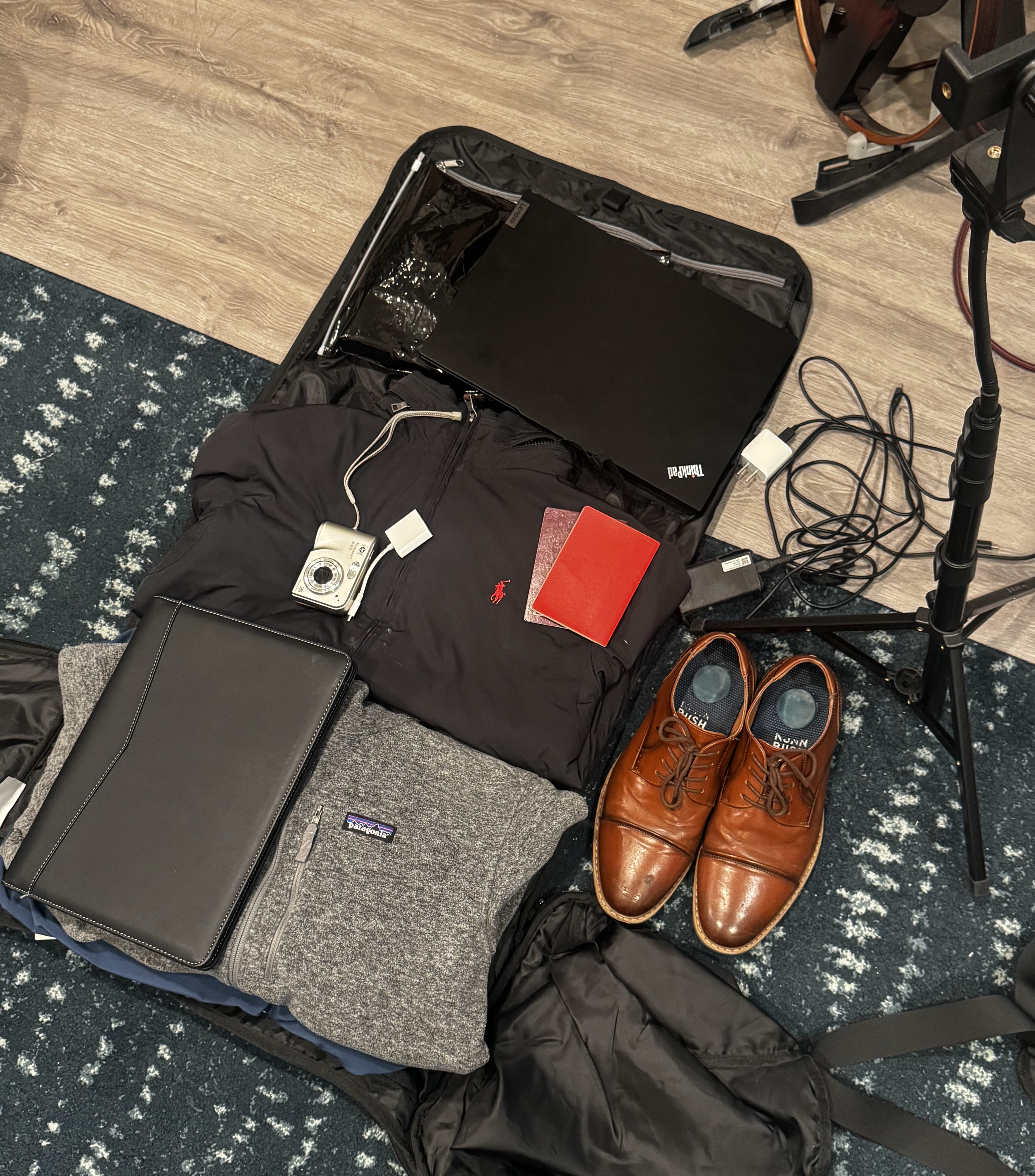
After a short transit in Zurich, I boarded the second leg to Belgrade. One of the first things I noticed was the racial homogeneity on the plane. That observation continued throughout the trip. Compared with major European capitals, the Western Balkans felt far less international. To some extent, that may reflect the region’s limited visibility in the global investor imagination. While the world is focused on Israel-Palestine, Russia-Ukraine, China-Taiwan, and the broader U.S.-China rivalry, the Balkans seems too small to dominate headlines but too strategically located to ignore.
Belgrade airport was quiet. I cleared customs and picked up my Škoda SUV within an hour of landing (lower-tier Volkswagen subsidiary built for utility and space). I had nothing planned for the first night and needed rest before formally starting the trip. The hotel was about thirty minutes from the airport in the city center. A friend would join me the next morning.
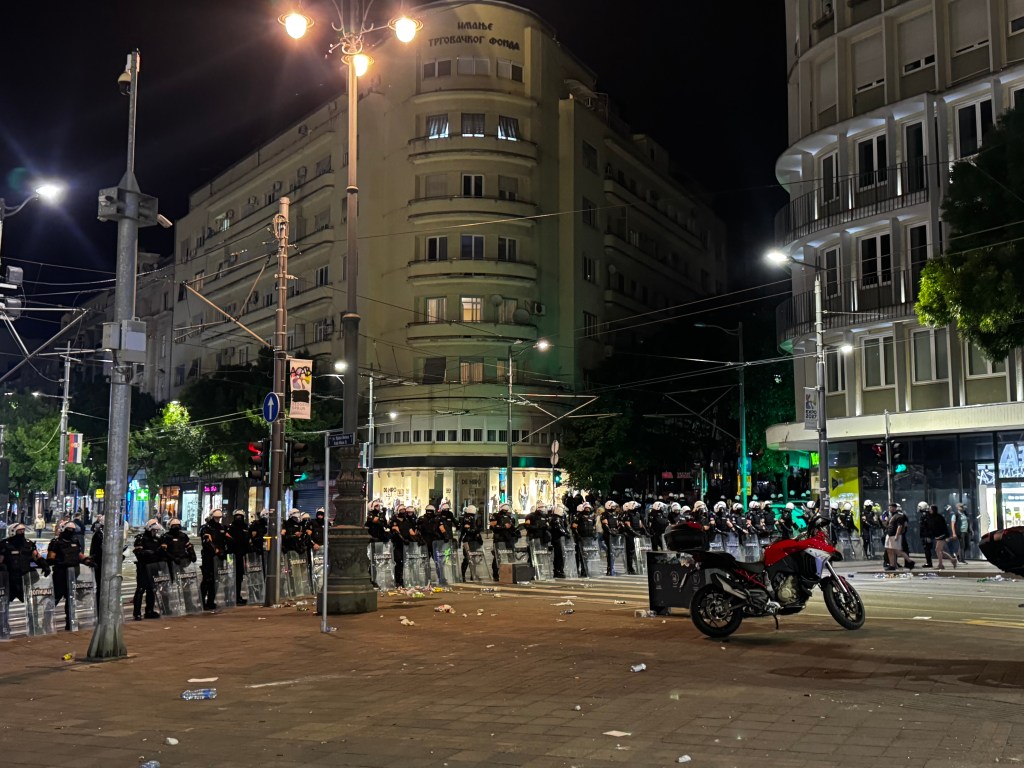
The first problem I encountered seemed political. I arrived during one of the largest anti-government student demonstrations in recent Serbian memory. Police had blocked off parts of the city center, so I had to walk a long way to the lodging. The protest also happened shortly before President Aleksandar Vučić’s bilateral visit to China. That timing mattered. Before I even began the trip, the core contradiction of Serbia was already in front of me: a government deepening ties with China while facing domestic discontent at home, and a society that wants economic modernization without fully agreeing on the political price of that modernization.
To understand why this matters, it is necessary to step back.
Yugoslavia was a socialist federation in the Balkans under the leadership of Josip Broz Tito. It initially had strong ties with the Soviet Union, but after the Tito-Stalin split, Yugoslavia pursued a more independent path and became a leading force in the Non-Aligned Movement. It tried to occupy a neutral position in Cold War bipolar politics: socialist, but not Soviet; European, but not Western; geographically between empires, but politically trying to avoid subordination to any one of them.
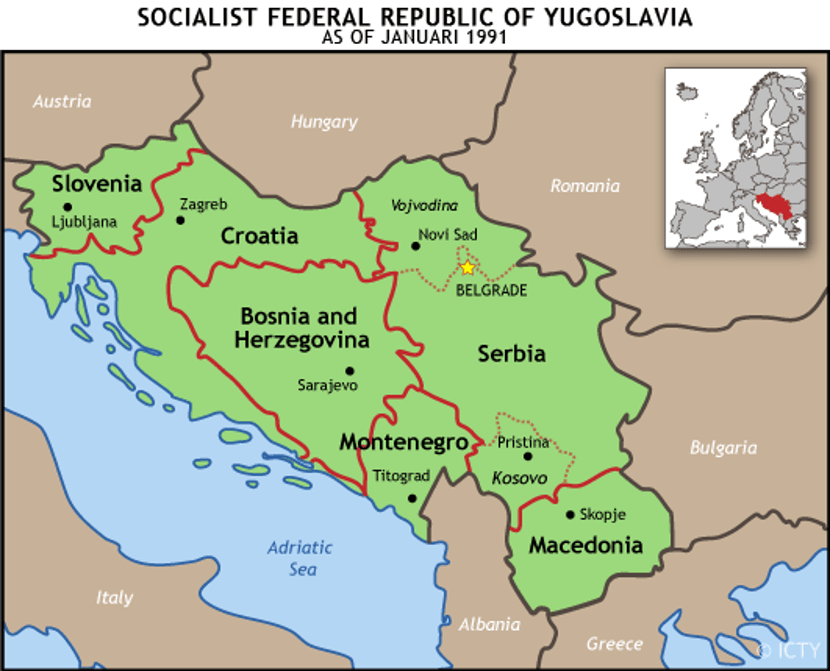
Under Tito, Yugoslavia was held together by a combination of ideology, state authority, economic development, and personal legitimacy. After his death in 1980, the internal contradictions became harder to contain. The federation was multiethnic and multireligious: Serbs, Croats, Bosniaks, Albanians and others lived inside a system where identity did not neatly overlap. Religious divisions also mapped imperfectly but meaningfully onto ethnic identity: Bosniaks and Albanians are Muslim, Croats are Roman Catholic, and Serbs are Eastern Orthodox. These identities did not mechanically cause conflict but became powerful political tools when nationalist leaders mobilized fear, memory, and territorial claims.
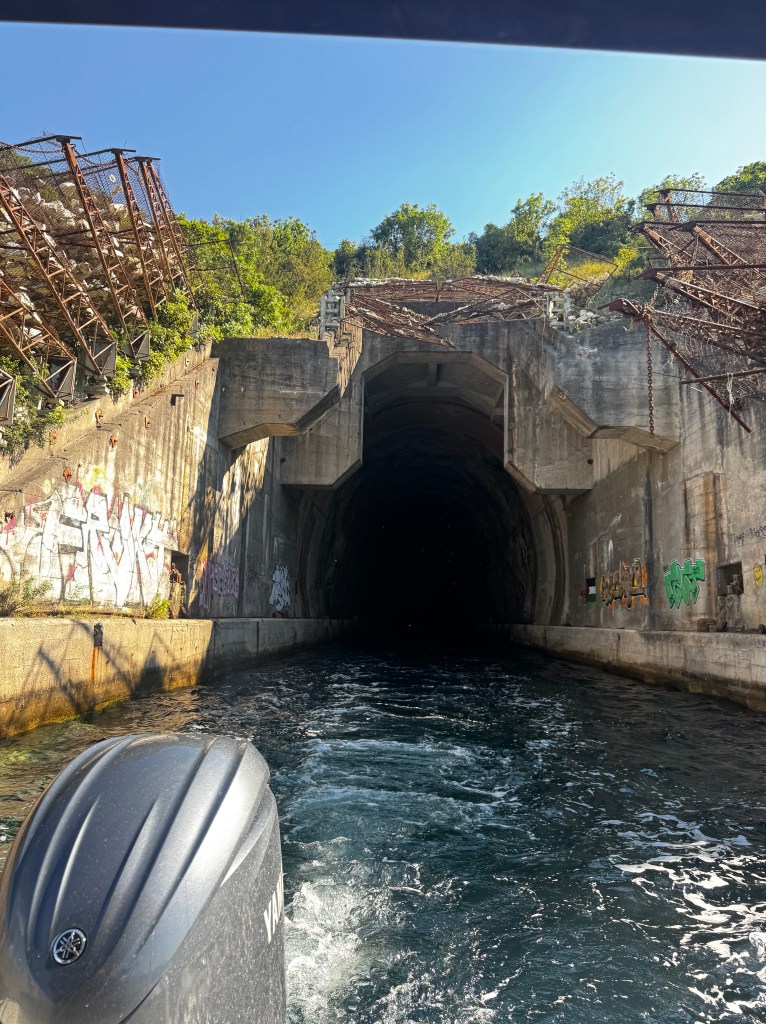
Moreover, the dissolution of Yugoslavia was gradual. Slovenia and Croatia declared independence in 1991, Bosnia and Herzegovina in 1992, Montenegro in 2006, and Kosovo in 2008. Kosovo remains especially sensitive. Many Serbs view Kosovo as part of Serbia, while many Western countries recognize Kosovo as independent. When I asked the car rental counter whether I could drive into Kosovo, the employee immediately corrected me: Kosovo was not a country, he said. The answer was no, for political reasons. That was the main reason I had to remove Kosovo from the itinerary at the last minute.
That moment clarified something important. In the Balkans, geopolitics is not a concept reserved for think tanks. It changes your route.
I personally believe frontier politics are important for understanding global macro trends because frontiers reveal where systems touch, compete, and break. To understand frontier politics, we first need to detect where the boundaries are. California’s governor election, for example, may be important domestically, but it is not usually where global macro investors go to understand the next geopolitical risk premium. Tier-one boundaries today include Israel-Palestine in the Middle East, Russia-EU through Ukraine, and Taiwan in the U.S.-China rivalry. Tier-two boundaries include broader EU political shifts (e.g. Hungary’s 2026 election) the Korean Peninsula, and regions where institutional alignment is still unsettled. By that framework, the Balkans deserve at least tier-two status because the region sits at the intersection of the EU, China, Russia, Turkey, the Gulf, and residual American influence.
Originally, I expected the trip through Serbia, Bosnia, and Montenegro to produce a conventional frontier-market note: cheap labor, tourism growth, EU accession, underdeveloped capital markets, and possible convergence trades. However, the more interesting observation was that the region’s economics felt more geopolitical than domestic. The Balkans are small in GDP terms but crowded in capital terms. Chinese infrastructure money, EU accession funding, Russian-linked energy assets, Gulf real estate, and local patronage networks are all trying to underwrite the same physical space. That makes the region less a simple convergence story and more a contested capital stack. The investment question is not merely whether the Balkans grow. The better question is: which external capital provider gets to convert influence into returns, and when do public-market investors begin to price that shift?
While Serbia, Bosnia, and Montenegro may be grouped together in a typical desk report, on the ground they felt like three very different entities:
Montenegro felt like the cleaner EU convergence story: tourism, real estate, Adriatic optionality, and a possible accession rerating.
Serbia felt like geopolitical arbitrage: China-EU-Russia balancing, industrial corridors, manufacturing, mining, infrastructure, and a state trying to monetize ambiguity.
Bosnia felt structurally harder to underwrite: institutionally fragmented, politically discounted, full of optionality if governance improves, but difficult to model because the state itself is divided.
Now zooming in onto Serbia. I spoke with several Serbian people who viewed China’s rise positively and saw Chinese involvement in Serbia as practical, visible, and useful. That surprised me. I had expected Serbian nationalism to translate into greater suspicion of foreign influence. Instead, at least from the conversations I had, China was often seen less as an ideological threat and more as a provider of infrastructure, investment, and diplomatic respect. Walking through Belgrade, I also felt that attitudes could shift positively because I looked East Asian, which was unusual in a place that did not feel very international.
This positive attitude toward China also appears top-down. Vučić has strengthened relations with Beijing through infrastructure, energy, mining, industrial projects, and more recently technology-linked investments. The strange part is that even among younger people who dislike Vučić or resent the government, positive views of China can still persist. In other words, China’s brand in Serbia may partially bypass the government’s domestic unpopularity among the youngsters.
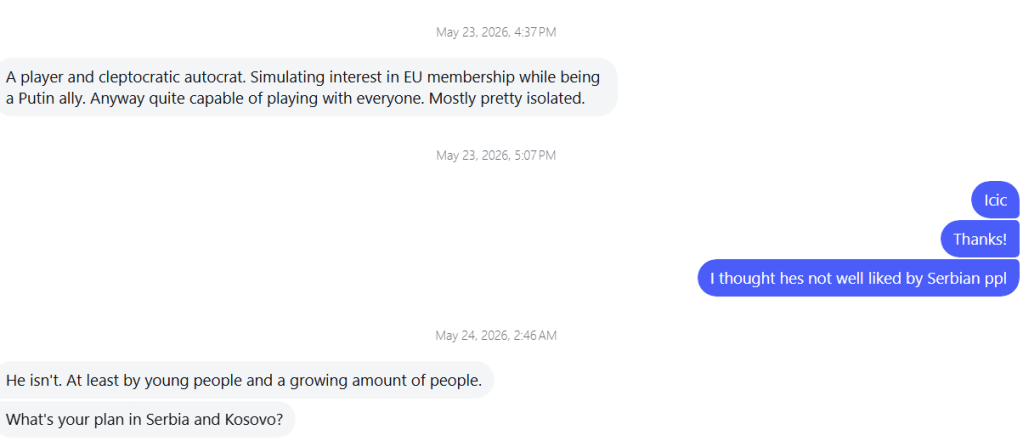
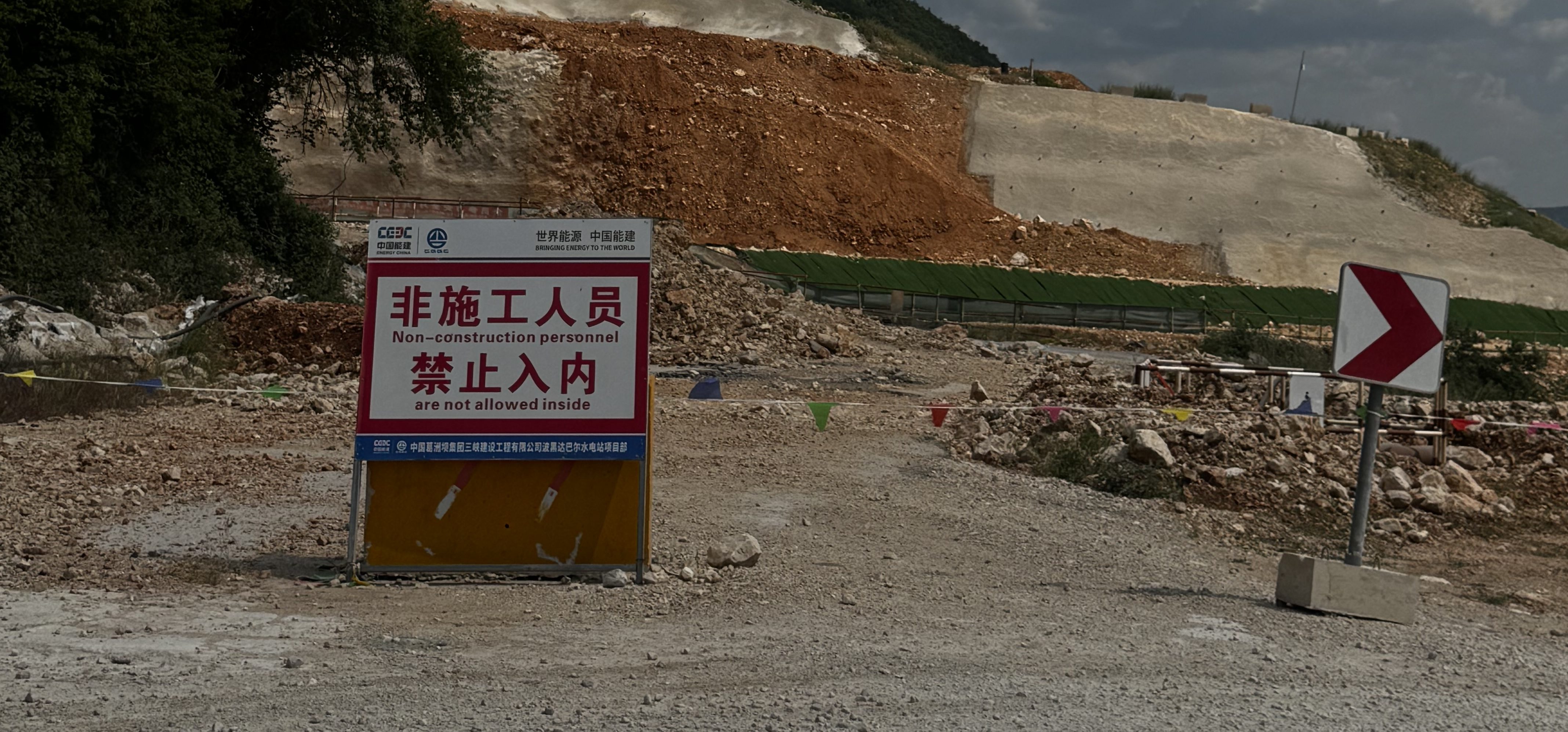
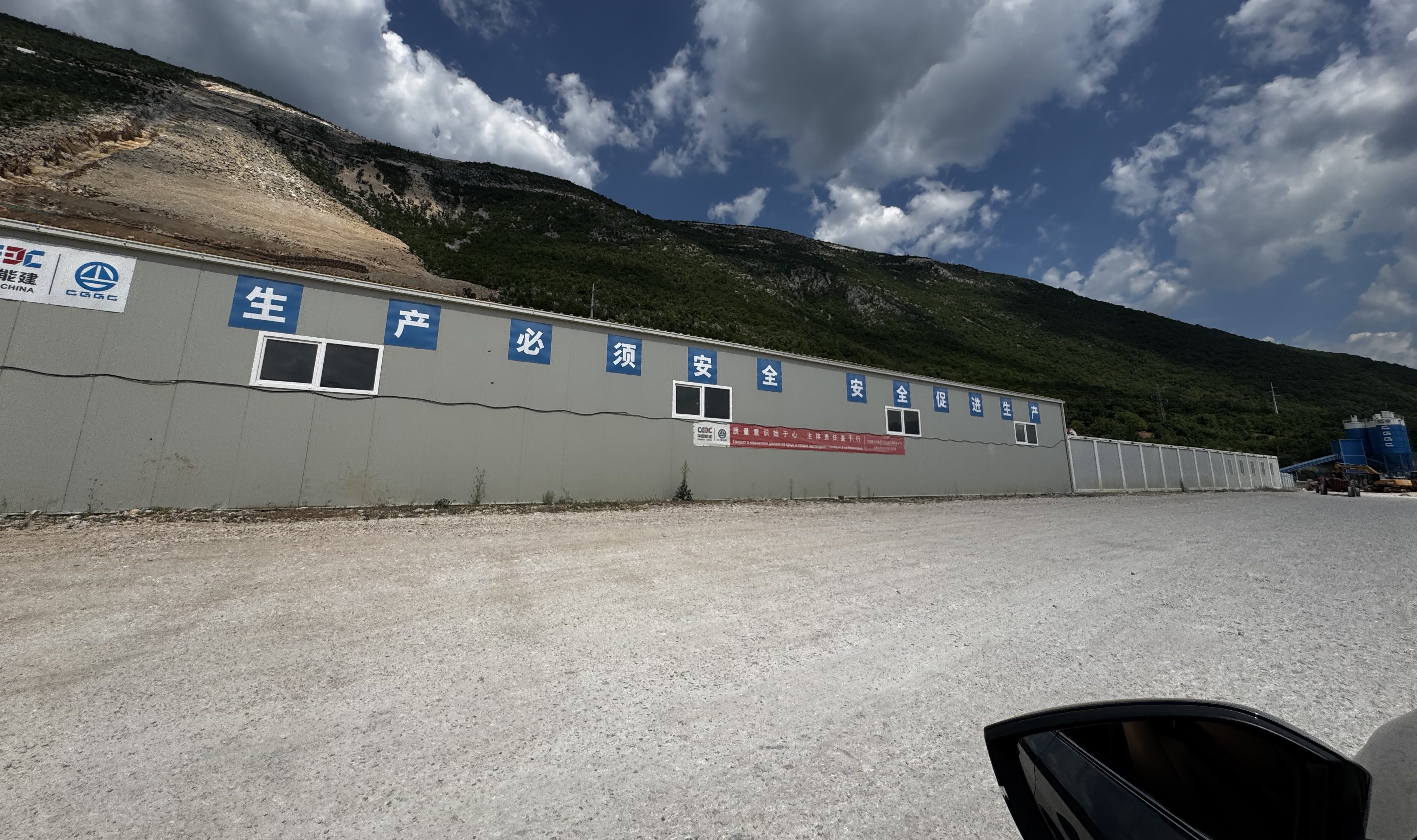
That distinction is important. If Chinese capital were only a Vučić project, it would be more politically fragile. But if the Serbian public associates China with roads, jobs, factories, diplomatic support on Kosovo, and an alternative to Western conditionality, then China’s role is more deeply embedded.
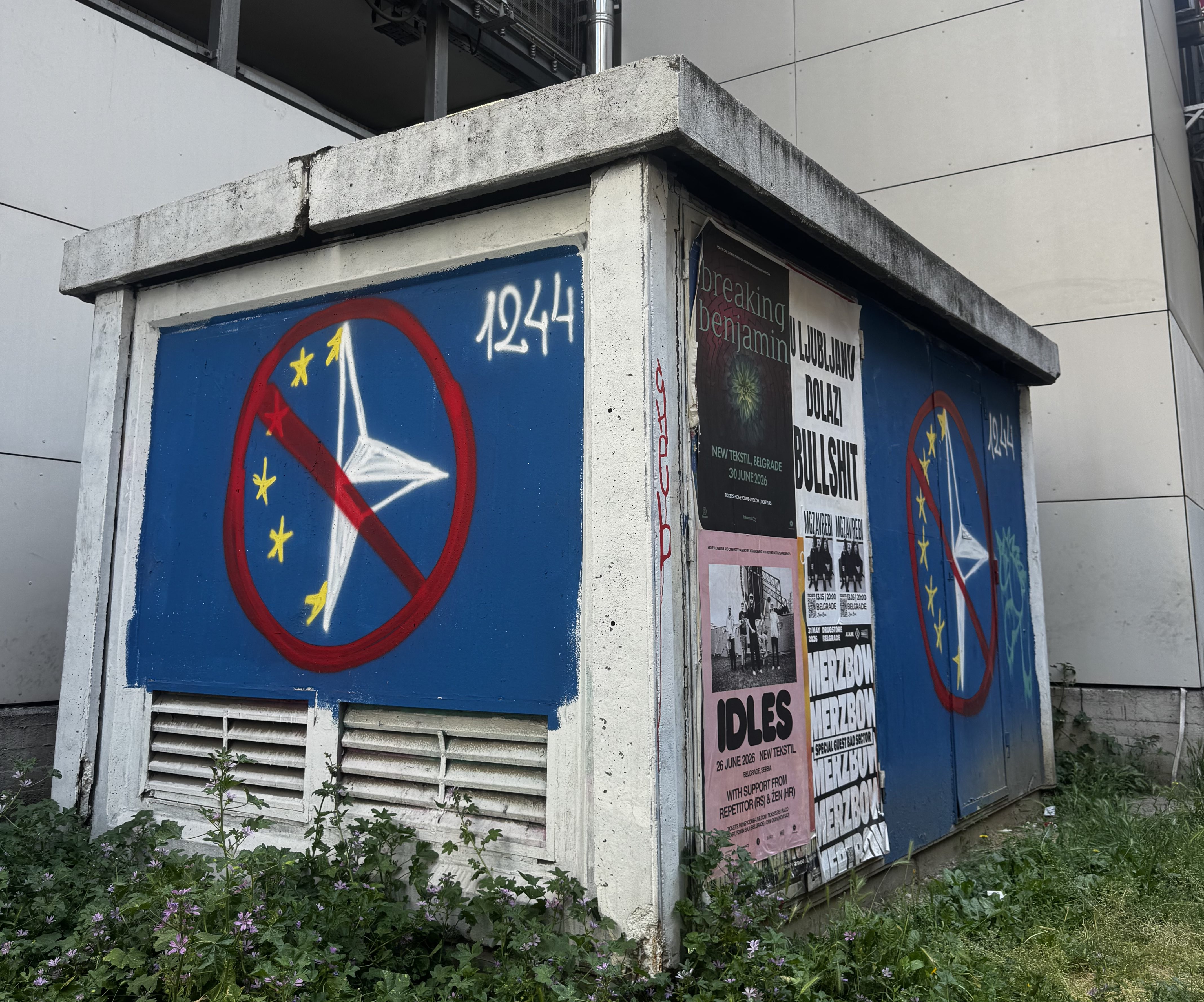
By contrast, resentment toward the EU and NATO has moderated but not disappeared. Much of this stems from the legacy of the Kosovo War and the 1999 NATO bombing. Almost every Balkan country wants some version of EU access because the economic benefits are obvious: funding, mobility, rule-of-law credibility, institutional convergence, and access to the single market. But Serbia’s unresolved Kosovo issue, its Russia ties, and its China relationship make accession more complicated than the standard convergence template suggests.
The general vibe I got is that Serbia is monetizing ambiguity. It wants EU market access, Chinese infrastructure and industrial capital, Russian diplomatic support on Kosovo, and domestic political autonomy. The underwritten assumption is that this balancing act works until the EU enlargement process becomes real enough that neutrality becomes expensive.
With this core macro setup in mind, I want to frame the rest of the report around four investment themes.
Theme 1: China built the physical layer; the EU wants to own the institutional layer.
China’s role in Serbia is not just a matter of “investment.” It extends across infrastructure, trade access, mining, steel, railways, surveillance and digital systems, and diplomatic alignment. Serbia is useful to China because it sits between Central Europe, the Danube corridor, and the rest of the Balkans. It is not inside the EU, but it is close enough to the EU to matter.
The mechanism is relatively straightforward. China finances and builds the hard assets: railways, roads, factories, mines, steel plants, and energy or industrial projects. The EU, meanwhile, offers the soft architecture: legal convergence, single-market access, funding, procurement standards, judicial reform, rule-of-law credibility, and accession optionality.
The investment question is which layer ultimately controls the equity rerating. China can create GDP activity, industrial output, and visible infrastructure. However, the EU is what creates the valuation multiple. Public-market investors pay higher multiples when property rights are more predictable, courts are more independent, procurement is cleaner, and capital markets become more EU-like. A Chinese-built railway may improve logistics, but an EU-compatible legal system lowers the discount rate.
The tipping point is not necessarily Serbia joining the EU, since full accession could still take years. The real tipping point comes earlier, when Brussels begins making funds, accession chapters, or deeper single-market integration conditional on Serbia reducing its strategic dependence on China and Russia. At that moment, Chinese-linked assets become either a bridge to growth or a liability for EU integration.
Theme 2: The Serbia-China FTA creates hidden supply-chain arbitrage.
The China-Serbia Free Trade Agreement took effect on July 1, 2024. This gives Serbia an unusual position: it is an EU candidate country with preferential trade access to China and deep commercial links with Europe. In practice, this creates the possibility of Serbia becoming a gray-zone manufacturing and logistics node.
The underwritten assumption is that Serbia becomes a platform where Chinese companies can establish production, access local political support, and position themselves close to the EU market without being fully inside the EU regulatory perimeter.
The mechanism works as follows. The China-Serbia FTA allows a cheaper flow of Chinese inputs and capital goods into Serbia. Chinese firms then invest in Serbian production, logistics, and industrial capacity. Serbia becomes a manufacturing and transport bridge between China and Europe. Over time, the EU begins to scrutinize rules of origin, subsidies, and strategic dependency. Depending on how Brussels responds, Serbia’s geopolitical risk premium either compresses or widens.
This is where the theme becomes especially investable, because it allows investors to analyze rules of origin, tariff arbitrage, nearshoring, anti-subsidy investigations, and the difference between formal market access and practical market access.
The tipping point comes when Serbia shifts from being merely a local market to becoming a China-linked export platform. That is when European policymakers begin to care more seriously. The more Serbia becomes a gateway for Chinese EVs, batteries, solar panels, steel, copper, or infrastructure firms, the more it risks EU trade scrutiny.
The first-order beneficiaries would be Chinese manufacturers, Serbian industrial zones, logistics operators, rail corridors, ports, and construction companies. The second-order effect is that EU firms may face more Chinese competition from a geographically closer base. The third-order effect is that Brussels may demand stricter accession conditions, increasing political friction and risk-premium volatility.
The places to look are Chinese industrial firms with Serbia or Balkan exposure, Serbian logistics and infrastructure beneficiaries, and banks financing industrial capex. On the short side, investors should look at European industrial names vulnerable to cheaper China-linked production entering nearby markets.
Theme 3: Copper, steel, and the fake diversification problem.
Serbia’s exports to China have grown significantly, but the export base appears highly concentrated in copper and copper-related products, much of it tied to Chinese-owned mining operations. This means the bilateral trade story can be misleading. On the surface, Serbia may look like it is upgrading as an exporter. Underneath, a meaningful portion of the value chain may still be controlled by Chinese capital, Chinese equipment, Chinese offtake channels, and Chinese ownership structures.
The key assumption is that Serbia-China trade growth overstates Serbia’s domestic industrial upgrading. If exports are mostly copper from Chinese-owned mines, Serbia is not necessarily becoming a diversified industrial power. Instead, it may be becoming a resource-processing node inside China’s external supply chain.
The mechanism is simple. Chinese companies own or control important Serbian copper and mining assets. Serbian export numbers improve as production rises. The political narrative of a successful China partnership strengthens. However, the value capture may be skewed toward Chinese capital, Chinese equipment suppliers, and Chinese offtake channels rather than broadly distributed across the Serbian economy.
The tipping point comes when trade composition becomes politically controversial. If local voters see pollution, extraction, and foreign ownership without broad-based wage gains, the China relationship can become a domestic political liability. This is especially important because environmental concerns are often easier for opposition movements to mobilize around than abstract debates about foreign-policy alignment.
The first-order effects are higher copper output, mining employment, and stronger export data. The second-order effects are environmental backlash, permitting pressure, and local protests. The third-order effect is that the EU can use environmental and rule-of-law concerns as leverage in Serbia’s accession process.
The places to look are copper producers, mining equipment suppliers, and infrastructure beneficiaries if volumes continue to rise. On the short side, investors should watch Serbia-linked risk proxies if environmental backlash turns into permitting delays, regulatory tightening, or political pressure.
Theme 4: Jadar lithium is where Europe and China fight over the same industrial future.
Jadar is where Serbia becomes very investable from a thematic perspective. Europe wants Serbian lithium because it does not want China to dominate the battery supply chain. However, Serbia’s close relationship with China complicates the EU’s attempt to frame Jadar as a clean European strategic-autonomy project. Serbia can use the project as bargaining power with both Brussels and Beijing.
The mechanism begins with Europe’s battery-security anxiety. The EU wants more local or near-local lithium supply to reduce dependence on China-controlled processing and battery supply chains. That creates pressure to approve and develop Jadar. At the same time, the project faces domestic environmental protests and political opposition. Serbia can therefore extract concessions from both sides, turning lithium from a mining project into a geopolitical loyalty test.
The key point is that the market does not need full production before it reprices the asset. It only needs credible de-risking. If approvals, financing, offtake agreements, infrastructure support, and EU political backing line up, Rio Tinto and related European battery-chain names could rerate well before the mine produces meaningful volume.
The tipping point is political irreversibility. Once it becomes clear that Jadar is not merely a mining proposal but a state-backed strategic project, investors will start underwriting the downstream supply-chain effects.
The first-order effects are Rio Tinto optionality, Serbian infrastructure capex, local supplier demand, construction activity, transport needs, and utility investment. The second-order effect is that Europe reduces its marginal dependence on China-controlled lithium processing. The third-order effect is that Serbia gains bargaining power with both Brussels and Beijing, while also facing stronger domestic opposition if locals view the project as extraction without adequate benefit sharing.
The basket idea is to long Rio Tinto, selected European battery and auto supply-chain names, and regional banks exposed to Serbia-linked capex. On the short side, investors could look at marginal lithium producers priced for scarcity but lacking geopolitical sponsorship, or European auto suppliers exposed to Chinese competition without a local supply-chain advantage.

Viewed across the whole region, the Balkans are not a clean convergence trade. They are a contested capital stack.
My base case is that the region remains volatile but increasingly relevant. Montenegro is the cleanest expression of EU convergence: tourism, real estate, infrastructure, and eventual accession optionality. Serbia is the more complex but more interesting case: a geopolitical arbitrage trade built around China-EU-Russia balancing, industrial corridors, mining, and strategic ambiguity. Bosnia remains the highest-discount optionality case, but also the hardest to underwrite because political fragmentation is not a temporary overhang; it is part of the structure itself.
The actionable framework, therefore, is to be long assets that benefit from both physical and institutional convergence, while being short assets exposed to the friction created by that same convergence. On the long side, that means logistics, infrastructure, selected mining, EU battery-chain beneficiaries, and regional financials tied to productive capex. On the short side, it means European industrials vulnerable to China-linked production leakage, marginal lithium producers priced for scarcity without geopolitical sponsorship, and Balkan risk proxies where political ambiguity shifts from asset to liability.
The song said East and West are kissing. After the trip, I think the better description is that East and West are negotiating. Sometimes they cooperate, sometimes they compete, but increasingly they are using the Balkans as the meeting table. The investment opportunity is not in assuming reconciliation. It is in understanding who pays for the table, who writes the rules, and who captures the return when the music stops.
 RJWANG19
Leave a comment